The Hidden Power of Restorative Yoga: What Most Overlook
Watch the source video
Imagine a practice where the only goal is to let go. Restorative yoga invites you to drift away from the hustle and bustle, into a space where relaxation reigns supreme. This gentle practice is not about stretching to your limits but about finding comfort in stillness, a concept that might seem alien in our fast-paced world.
Creating Your Sanctuary
In preparation for a restorative yoga session, props are your allies. A bolster or a pillow, a blanket, and perhaps a block, transform your mat into a sanctuary of support. The session begins with a supported fish pose, where a pillow or bolster is placed under your upper back, allowing your chest to open and your body to settle into a gentle embrace of gravity.
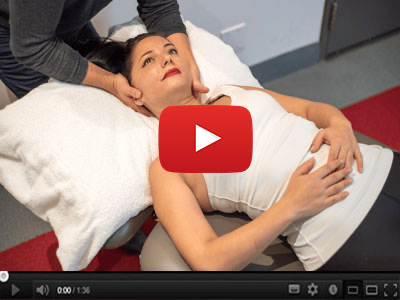
Restorative yoga is about finding deep relaxation without effort or will, surrendering to the pose and allowing your body to find its natural rhythm — from the video.
from the video
The Art of Breath Awareness
In the world of restorative yoga, breath is more than a necessity; it's a guide. As you lie in supported poses, focus on the breath's natural flow. There’s no need for forceful inhales or exhales. Instead, observe its gentle rhythm and let it lead you towards a state of deeper relaxation.
Vertigo: Is This Your Key to Overcoming Discomfort?
Explore the 5-minute fix for vertigo relief
Transitioning with Grace
Between poses, transitions are treated with the same respect as the poses themselves. Moving into a fetal position, for example, involves curling gently into a ball, letting your head rest on your arm and your spine round naturally. These small movements are a reminder that every part of the practice is an opportunity to tune in to your body’s needs.
Embracing the Final Pose
The session concludes with legs up the wall, or a traditional shavasana. This pose invites a final, profound relaxation, encouraging you to release any lingering tension. As you rest, allow the mind to settle, observing thoughts as they come and go, much like waves lapping at the shore.
Restorative yoga is an invitation to connect with yourself, offering a space where you can simply be. It’s a practice that teaches us the value of stillness in a world that often values speed. As you carry this experience off the mat, remember that the gentle art of letting go can be a powerful tool for healing and well-being.