5 Supplement Mistakes That Could Be Affecting Your ADHD
Watch the source video
Imagine reaching for a calming supplement to help manage your ADHD, only to find it's making things worse. This paradox is more common than you might think, especially with popular choices like ashwagandha. What if the very supplement meant to soothe you is actually lowering your already low cortisol levels further, leaving you feeling more tired, foggy, and even anxious?
The Cortisol Conundrum
Cortisol is often misunderstood as merely a stress hormone. In reality, it helps you wake up and feel alert. But here's a startling fact: many with ADHD actually have low cortisol, not high. This means that taking ashwagandha, which reduces cortisol, might not be the best choice for everyone.
Before considering ashwagandha, think about whether your 'lights' are too bright or too dim. Most people with ADHD have dim lights, meaning their cortisol levels are already low.
— from the video
Consider testing your cortisol levels before using cortisol-lowering supplements.
If you decide to use ashwagandha, consider taking it closer to bedtime to align with natural cortisol rhythms.
Magnesium: More Than Meets the Eye
Magnesium is hailed for its benefits, especially for those with ADHD. However, not all forms of magnesium are created equal. Magnesium oxide is a common choice but absorbs poorly, delivering only about 4% of its content to your body. This can lead to disappointment and the false belief that magnesium doesn't work for you.
Instead, opt for forms like magnesium citrate or magnesium glycinate, which are better absorbed and gentler on the stomach. Splitting doses throughout the day can further enhance absorption and effectiveness.
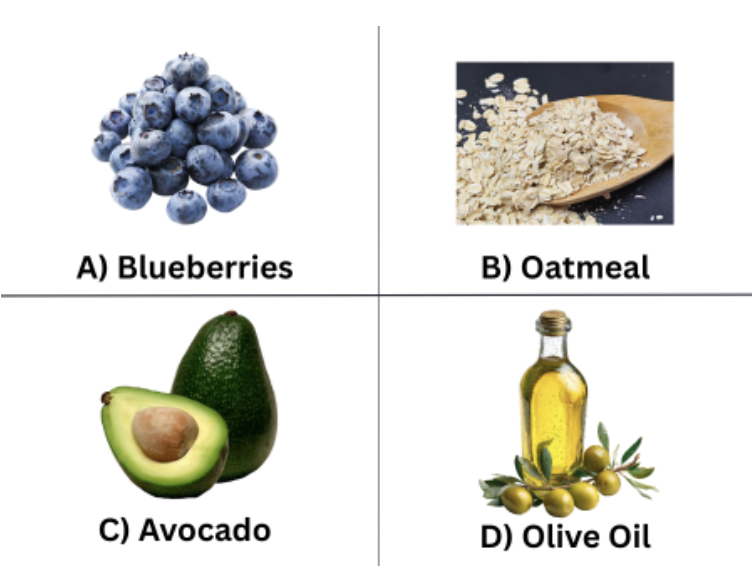
[QUIZ] What Supposedly Healthy Food Could Be Ruining Your Eyesight?
Find out the top food affecting your eye health
Navigating the 5HTP Maze
5HTP is often recommended for mood and sleep improvements, but it can inadvertently drain dopamine, which is crucial for focus and motivation in ADHD. Without the right balance, boosting serotonin via 5HTP can reduce dopamine levels, leading to unintended consequences.
Balancing Act with Vitamins
To avoid this, consider taking 5HTP with B vitamins to support both serotonin and dopamine pathways. This ensures that neither is overshadowed, maintaining a balance necessary for focus and calm.
Iron: A Double-Edged Sword
Iron supplements can be tempting, especially given their potential benefits for ADHD. However, iron can accumulate in the body, so it's vital to test for deficiencies before supplementing. Testing should include both serum iron and ferritin levels to get a complete picture of your iron status.
Patience Pays Off
Lastly, consider the timeline you're giving your supplements. Many people give up too soon, expecting immediate results. Research shows that it can take up to eight weeks for supplements like fish oil to make a noticeable difference. Patience, along with using the right supplement in the right form, is key.
Navigating the world of supplements for ADHD can be complex, but by avoiding these common mistakes, you can make more informed choices. Remember, it's not about the supplement itself, but about finding the right one for your unique needs.