The most dangerous items in your home might not be the power tools in the garage or the cleaning chemicals under your sink. Instead, they could be the pills in your medicine cabinet. Many people over 60 assume medications are safe because they’re doctor-prescribed or available over the counter. However, as we age, our bodies process drugs differently, and medications that posed no issues in youth can silently strain the heart as we grow older.
Why Age Matters
By the time we reach 60, our bodies undergo changes that affect how medications work. Arteries become stiffer, and kidneys process drugs more slowly. This is especially concerning since many older adults take multiple medications for various conditions. A recent study found that nearly 50% of older adults were taking at least one medication with heart risks, and a concerning number were taking multiple such medications. The risk of heart attack or stroke doubles or triples with certain medication combinations.
The Hidden Dangers in Common Medications
Consider NSAIDs like ibuprofen. These are popular for pain relief but carry strong warnings about increased heart attack and stroke risk, especially with long-term use. Even prescription NSAIDs can pose greater risks than their over-the-counter counterparts. Similarly, PPIs such as omeprazole, often used for acid reflux, can lead to heart issues if used long-term without reassessment.
The same pill that's harmless at 30 can trigger heart failure or dangerous heart rhythms at 70.
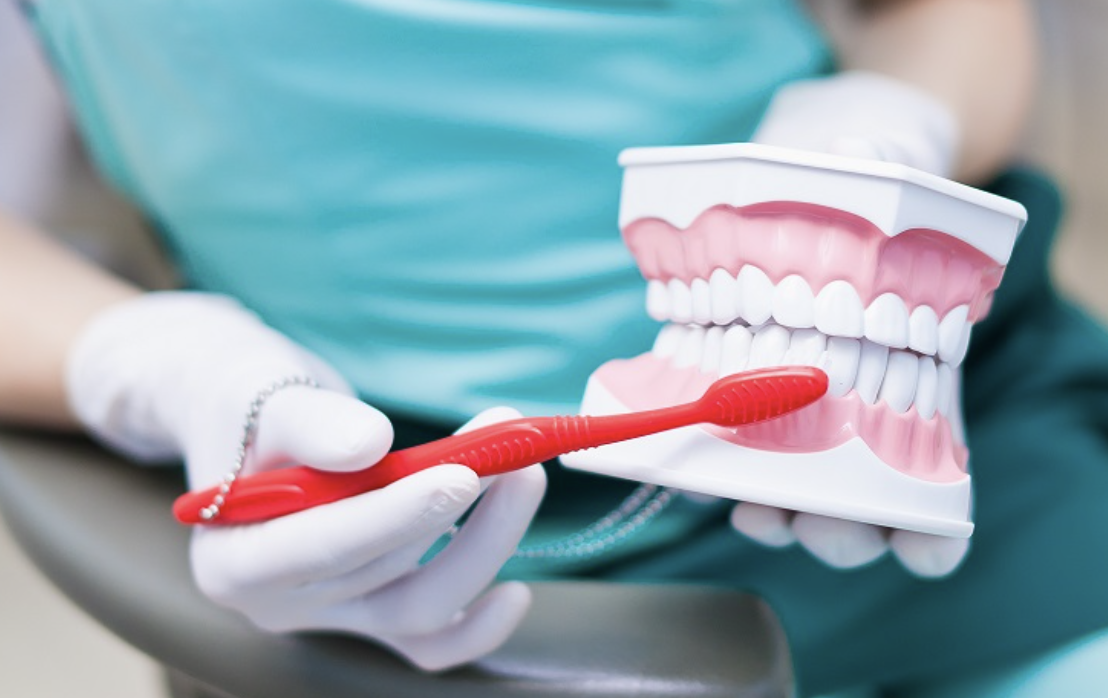
Do Common Toothpaste Brands Pose a Risk for Alzheimer's?
Learn about memory-impacting toothpaste ingredients
Rethinking Supplements: The Calcium Debate
Calcium is often taken to support bone health, particularly in older adults. However, calcium supplements have been linked to a slight increase in heart attack risk, especially when taken in high doses without vitamin D. Food-based calcium, such as that from dairy or leafy greens, is a safer alternative since it releases calcium more gradually.
Practical Steps for Safe Medication Use
Compile a comprehensive list of all medications and supplements you take.
Bring this list to every doctor's appointment to ensure comprehensive care.
Regularly review the necessity and safety of each medication with your doctor.
Consider non-drug alternatives for pain relief, such as heat or physical therapy.
The key takeaway is not to fear medications but to use them wisely. Medications save lives and improve quality of life, but the goal is to ensure they do so safely as we age. Regular conversations with your healthcare provider can help you manage your medications effectively and keep your heart healthy.
Understanding the impact of medications on your aging body can empower you to make informed health choices. Keep those lines of communication open with your healthcare team and prioritize your heart health alongside managing other conditions.