Picture this: you're at a gathering, and a familiar face lights up as they approach you. Their face rings a bell, but their name plays an elusive game of hide and seek in your mind. This common experience might feel unsettling, but rest assured, it's not a sign that something is amiss. Rather, it's a glimpse into how memory works, particularly as we grow older.
The Nature of Memory: Pieces, Not Pictures
Our brains operate less like video recorders capturing perfect sequences of events, and more like puzzle pieces of experiences. You might recall vivid details from a gathering — the room's layout, the laughter, the music — but the name of the person you met can easily slip through the cracks.
Names tend to float away because they act as mere labels without inherent meaning, making them harder for our brains to latch onto.
— from the video
Aging and the Brain: Why Retrieval Slows
As we age, the pathways in our brains that help access memories tend to slow down. This doesn't mean the memory is lost; rather, accessing it takes a bit longer. This delay can mimic the sensation of forgetting, though the information often remains intact.
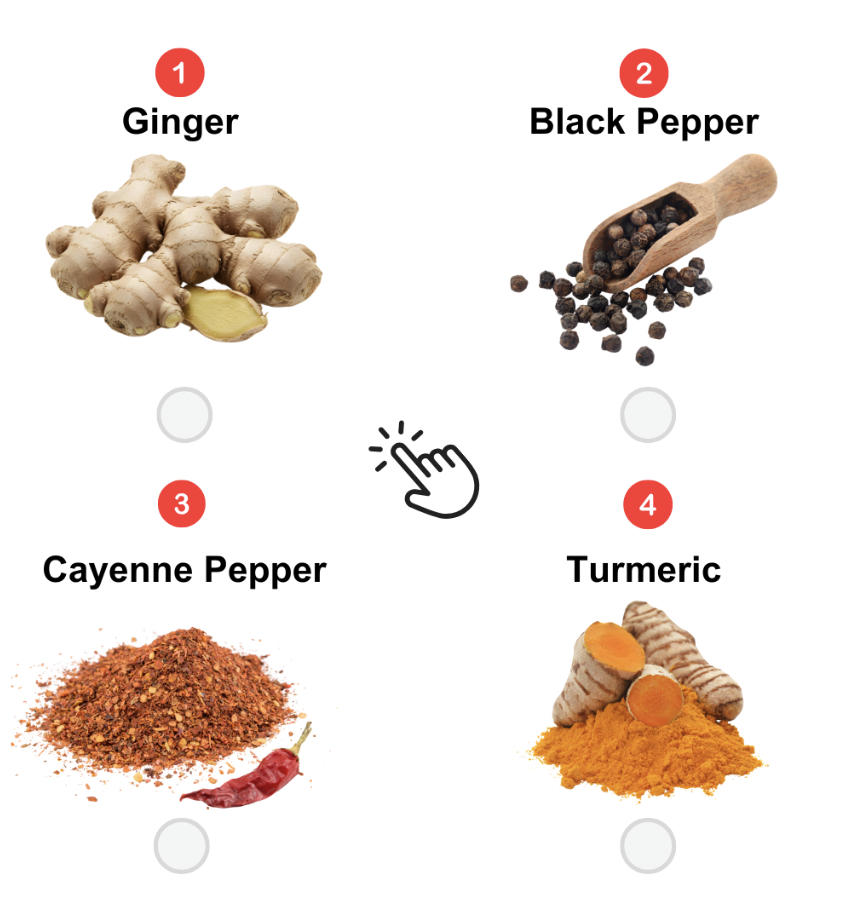
Quiz: Which Spice from Your Pantry Matches Ibuprofen for Nerve Discomfort?
Find out the spice for nerve comfort
Building Bridges with Associations
Fortunately, there are strategies to enhance memory retrieval. One effective method is creating associations. By linking a person's name to something visual or familiar, you give your brain an extra hook to pull from later.
Link names to colors: Connect Susan with sunflowers if she's wearing yellow.
Use rhymes: Associate a name with a rhyming word or phrase.
Visual imagery: Imagine a striking feature of the person tied to their name.
Normalizing the Name Drop
While it might feel frustrating, forgetting names is a common part of aging and not usually a marker of more severe cognitive issues. Understanding this can alleviate anxiety and encourage working with your memory in a more relaxed manner.
So next time a name eludes you, remember: your brain is not failing you; it’s simply navigating the complex landscape of memory. With patience and practice, you can discover new ways to work with your memory’s natural tendencies, enhancing your recall over time.