7 Foods Hiding in Your Kitchen That Might Need a Rethink
Watch the source video
It’s the middle of the night, and a thirst pulls you from your bed. You amble towards the fridge, open it, and there it is — the everyday item that could be silently affecting your health. Tucked alongside your leftovers, it's one of those foods that we often overlook, yet it carries a warning from the International Agency for Research on Cancer. As you stand there, you might wonder how something so common could be so concerning.
The Cold Truth About Potatoes
Potatoes, that staple of comfort and versatility, hide a secret when stored incorrectly. When you place them in the refrigerator, the natural starches convert into reducing sugars. This alone seems harmless, but when you cook these spuds at high temperatures, it leads to the formation of acrylamide, a chemical flagged as a probable human carcinogen. The solution? Keep potatoes in a cool, dark place like a pantry, not the fridge.
The Can Conundrum
We’ve all done it — opened a can, used half, and stored the rest in the fridge. But this convenience comes at a cost. Once opened, cans can expose your food to metal leaching and BPA contamination. To protect your meals, transfer leftover canned goods to glass or BPA-free containers.
Opened cans may introduce metals into your food, affecting both taste and safety. A simple transfer to a glass container can help avoid this issue.
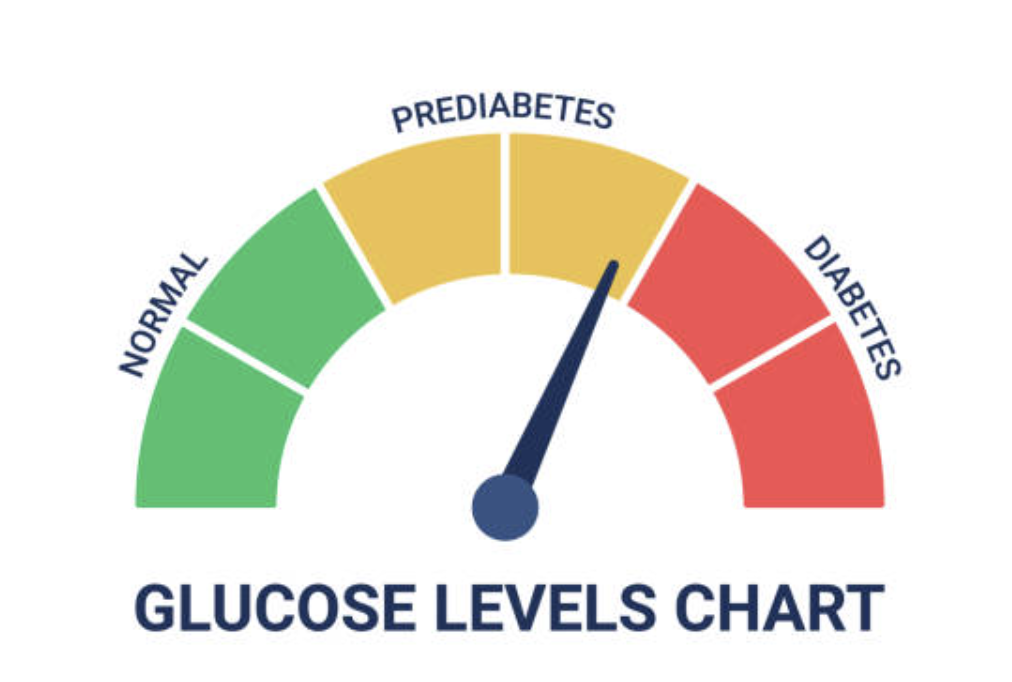
Struggling with A1C Levels? Your Kidneys Could Be Responsible
Explore How Kidneys Affect Blood Sugar Now
Handling Leftovers with Care
Leftovers seem like a great way to minimize waste and save time, but they carry hidden risks. In particular, bacteria like Bacillus cereus can thrive on rice and other starchy foods, leading to food poisoning if stored too long. To ensure safety, consume leftovers within 3 to 4 days.
Refrigerate cooked foods promptly.
Consume within 3-4 days.
Avoid tasting questionable leftovers.
The Egg Shelf Dilemma
Many of us store eggs in their designated spots on the fridge door, but this area experiences the most temperature fluctuations. Such changes encourage bacterial growth. Instead, keep eggs in their original carton on a middle or lower shelf.
The Hidden Risk in Your Freezer
That foam tray your meat sits on might seem harmless, but it contains styrene, which can leach into meats, particularly when stored for long periods. Before freezing, transfer meats to safer containers to reduce exposure.
These insights might prompt a change in how you manage your kitchen staples. They serve as reminders that small adjustments in storage can contribute to long-term well-being. Every action you take today, however minor it seems, adds up to a healthier tomorrow.